Do You Need a Panel Upgrade for an EV Charger in Buena Park?
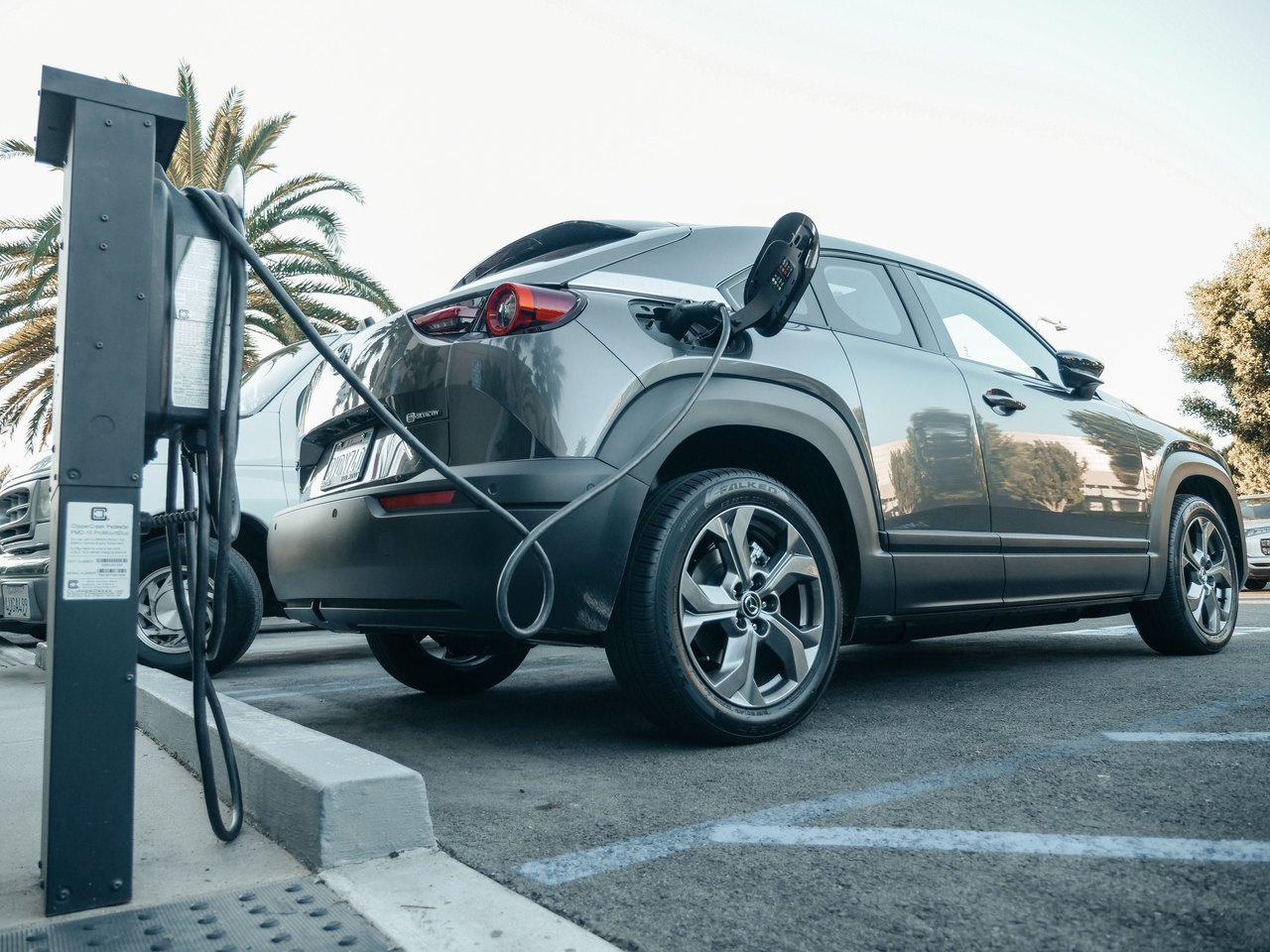
It is one of the most common questions we hear from Buena Park homeowners after they order an EV: do I need to upgrade my electrical panel to install a charger? The honest answer is that some homes do and many do not, and the only way to know for certain is a load calculation on your specific panel. This guide walks through when an electrical panel upgrade is actually necessary for EV charging, how to tell if your home is at risk, and what your options are if capacity is tight, so you can budget realistically before any work begins.
What a Panel Upgrade Actually Is
Your electrical panel is the box that distributes power from the utility to every circuit in your home, and its size is measured in amps, most commonly 100, 150, or 200. A panel upgrade replaces that panel, and sometimes the service feeding it, with a larger one that has more capacity and more breaker slots. It becomes relevant to EV charging because a Level 2 charger is a large, continuous load rather than an occasional one. ENERGY STAR notes that Level 2 equipment runs on a heavy-duty 240-volt circuit, similar to the one feeding an electric dryer, and that circuit has to fit within your panel's total capacity alongside everything else already drawing power in the house.
When You Actually Need One for EV Charging
You need a panel upgrade when your existing service does not have enough spare capacity, or a free breaker slot, to safely add a 40- to 60-amp charger circuit. The U.S. Department of Energy's Alternative Fuels Data Center puts it plainly: some homes have insufficient electrical capacity for Level 2 equipment, though a qualified electrician can add the circuits needed to accommodate it. Whether you land on the yes or the no side comes down to a load calculation, which totals your home's existing demand and compares it against your service size. If the charger fits under that ceiling, no upgrade is needed; if it pushes you over, an upgrade or a load-management device becomes the path forward.
Signs Your Buena Park Home May Be at Risk
- Your panel is rated at only 100 amps, common in Buena Park homes built in the 1950s and 1960s.
- The panel is already full, with no open double-pole slots for a new breaker.
- You run several heavy loads like central air conditioning, an electric range, and a pool pump on the same service.
- Major circuits have been added over the years without ever upsizing the panel.
- The panel is an older brand or design that a licensed electrician flags as unsafe to add to.
Wondering whether your Buena Park panel can handle a charger? A quick load calculation gives you a straight yes or no and a flat quote before anything is opened up.
Instant QuoteA load calculation is not guesswork; it follows the National Electrical Code's method for totaling demand across your home. That is why a reputable installer runs one before quoting an EV charger in Buena Park rather than after the walls are open, so a needed panel upgrade shows up as a line item you approve up front instead of a surprise on install day.
What a Charger-Ready Panel Looks Like
On the flip side, plenty of Buena Park homes are already set up for charging. A charger-ready panel is typically a 200-amp service installed or upgraded in the last few decades, with two or more open breaker slots and modest existing demand, meaning no pool equipment or electric heat competing for the same headroom. If that describes your home, adding a Level 2 circuit is usually a straightforward half-day job, and the biggest decision becomes where to mount the charger rather than whether the panel can feed it. A quick look at the panel label and the open slots tells an electrician most of what they need before the formal calculation even begins.
What It Costs and Whether Incentives Help
A panel upgrade is the single biggest variable in an EV charging budget, so it is worth knowing whether you can offset it. When the upgrade is done as part of a charger installation, it can count toward incentives. California's DriveClean guide describes a federal tax credit covering 30 percent of qualified charging hardware and installation costs, up to $1,000, for equipment placed in service through 2032. Southern California Edison, which serves Buena Park, also runs a Charge Ready Home program with rebates of up to $4,200 toward a Level 2 charger and its installation. Neither program fully covers a large panel job on its own, but stacked together they take a meaningful bite out of the total, which is worth confirming before you commit.
Alternatives to a Full Panel Upgrade
An upgrade is not always the only route. If your panel is close but not quite there, a load-management device, sometimes called a smart splitter or an energy management system, can let a charger share an existing circuit or automatically throttle its draw when other big loads are running, which can avoid a full service change. Some homes can also run a charger at a lower amperage setting that still delivers a full charge overnight while staying safely under the panel's ceiling. Which approach makes sense depends entirely on your numbers, and a good electrician will lay out the cost, the charging speed, and the trade-offs of each option before you decide rather than defaulting to the most expensive fix.
How the Work Gets Done and Permitted
If an upgrade is needed, the job involves coordinating with the utility and the city: the electrician pulls a permit, swaps the panel (and the service equipment if required), reconnects your existing circuits, adds the new charger circuit, and schedules the inspection. In Buena Park that means a permit through the city and a passed inspection before the work is signed off. A panel swap is usually a one-day job with a planned power outage for part of it, and doing the charger circuit at the same time is more efficient than treating them as two separate visits. The paperwork also matters later, since it is what supports your rebate and tax-credit claims and keeps your home's records clean for resale.
What Homeowners Often Get Wrong
The most common misconception is assuming the worst. Many Buena Park owners hear the words EV charger and immediately picture a costly panel replacement, when in reality a large share of homes, especially those built or updated in recent decades with 200-amp service, have plenty of room for a charger circuit with no upgrade at all. The opposite mistake is just as expensive: assuming a full panel is fine because the lights still work, then discovering mid-project that there is no safe capacity left. Both errors trace back to skipping the load calculation. A second frequent misstep is buying a high-amperage charger before confirming the panel can feed it, which forces either an upgrade you did not plan for or a charger that never runs at its rated speed.
So, Will You Need a Panel Upgrade?
The practical takeaway is to stop guessing and get a load calculation, because it turns a scary open question into a clear yes or no with a price attached. If your Buena Park home has a modern 200-amp panel with open slots, you are very likely fine and can move straight to the charger install. If you are on an older 100-amp service running heavy loads, budget for the possibility of an upgrade or a load-management workaround, and weigh the incentives that can offset it. Knowing your number before you buy a charger is what keeps the project on budget and prevents a stalled install halfway through. When you want that answer for your specific panel, Buena Park EV Charger can run the calculation and quote the panel upgrade or the workaround, whichever your home actually needs.
Get Your Panel and Charger Sorted in Buena Park
From a simple circuit to a full panel upgrade, our licensed C-10, EVITP-certified team sizes it right, pulls the permit, and handles the inspection.
Ready to Get Started?
Tell us about your project and we'll get back to you with a free, no-obligation quote.
(000) 000-0000